

EV Bike Batteries
High-performance EV 2W battery packs for electric scooters and bikes. Lightweight, long-lasting lithium-ion batteries with advanced BMS and fast charging.

Drone Batteries
High-performance drone battery packs with long flight time, lightweight design, and fast charging. Reliable lithium batteries for commercial and industrial UAVs.

Solar Batteries
Reliable solar battery packs for energy storage systems, ensuring efficient power backup and optimal use of renewable energy.

UPS Batteries
Reliable UPS batteries designed to provide instant backup power and protect critical systems from outages and power fluctuations.

Inverter Batteries
High-capacity inverter batteries for home and commercial power backup, offering long runtime, durability, and reliable performance.

Customised Batteries
Customised battery packs designed to meet specific voltage, capacity, size, and application requirements for OEM and industrial use.
Battery Cell Types We Work With
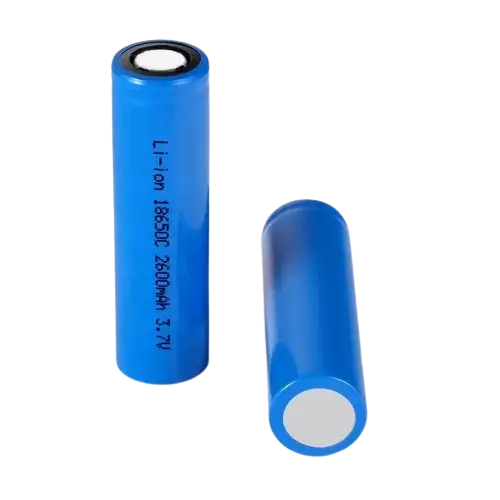
Maximum range and power-to-weight ratio.
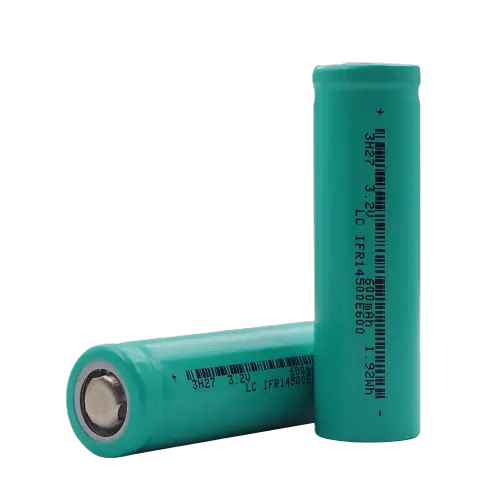
Ultra-safe with thousands of stable charge cycles.
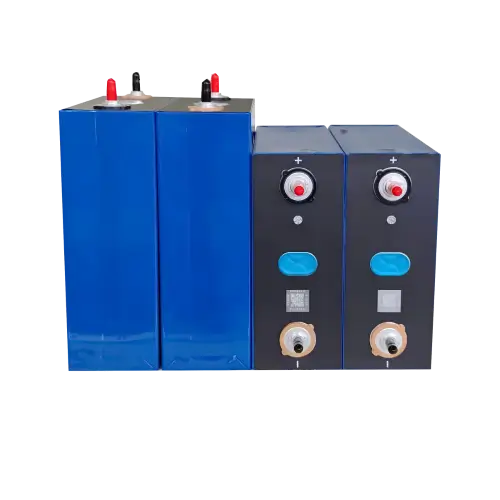
Massive capacity, sustained output, and heavy-duty reliability.
Our Assembly Process
Incoming Material Inspection
Visual and structural inspection of all raw materials upon arrival, ensuring casings, pure nickel strips, wiring harnesses, and raw cells meet strict baseline standards before entering the cleanroom.
Cell IR & Capacity Testing
Randomized batch testing of incoming cells. We conduct deep internal resistance (IR) and true-capacity verification tests to ensure the manufacturer’s spec sheet matches reality.
Cell Grading & Sorting
Every single cell is individually categorized. We sort and group cells with identical voltage, internal resistance, and capacity metrics to guarantee perfect pack balance and prevent premature cell degradation.
Structural Preparation & Insulation
Cells are aligned into rigid structural brackets for maximum vibration resistance. Specialized insulation rings (barley paper/fish paper) are applied to the positive terminals to prevent any risk of short circuits.
Precision Spot Welding
Automated/semi-automated spot welding is used to attach high-conductivity pure nickel strips. This creates permanent, low-resistance connections between cells in series and parallel.
Weld QC & Structural Integrity Check
A thorough manual and instrumented inspection of the weld points. We verify the tensile strength and electrical conductivity of the joints to ensure zero weak spots or potential thermal bottlenecks.
BMS Integration
The Battery Management System (BMS)—the brain of the pack—is carefully soldered and integrated. Balance wires are connected to every parallel group to ensure the BMS can monitor and protect individual cell clusters.
Thermal Management & Wiring
High-grade silicone wiring is routed securely. Heat-shrink tubing, Kapton tape, and thermal conductive pads are applied to manage heat dissipation and isolate high-voltage paths.
Semi-Finished Pack Testing
Before sealing, the exposed pack undergoes a preliminary electrical test. We verify raw voltage output, BMS communication limits, and trigger short-circuit protection to ensure the board responds instantly.
Casing & Sealing
The tested pack is secured inside its final structural casing (custom metal fabrication, ABS plastic, or epoxy board shrink-wrap) to protect against mechanical impact, moisture, and dust.
Final QC & Cycle Testing
The finished product undergoes a rigorous charge and discharge cycle test. We push the pack to its continuous current limits to verify its true usable capacity and thermal stability under real-world load.
Documentation & Dispatch
The pack is cleaned, labeled with strict tracking SKUs and safety warnings, and securely packaged for B2B transport, ready for integration into your EVs or inverters.